Warriappendi Secondary School Relocation
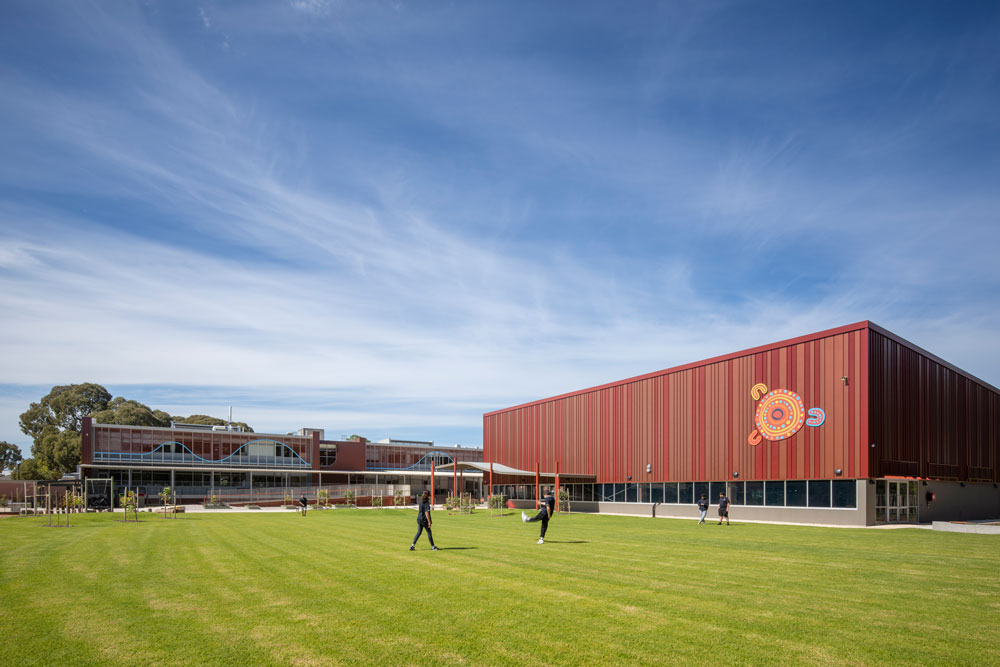
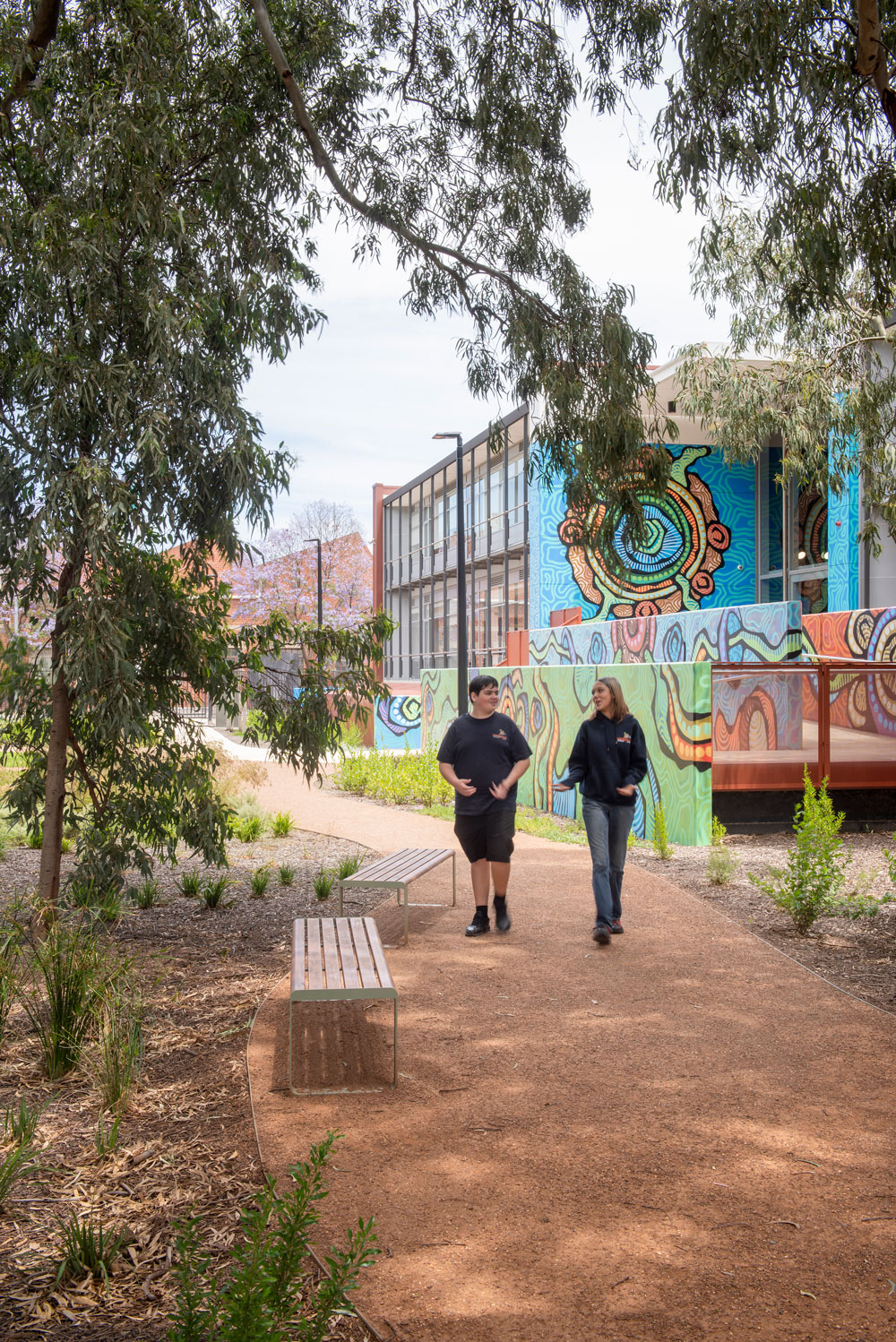
Warriappendi Secondary School’s new campus is located on Kaurna Country along Karrawirra Parri in Thebarton, South Australia, embedding Connection to Country, Place and People at the heart of its design. Extensive consultation with students, staff, families and community informed the project from site selection to final design, ensuring the school’s values and cultural aspirations were reflected. The remediated site, once a tannery and later a laboratory building, prioritises the protection of significant native trees and adaptive reuse of the existing building for sustainable, environmental & cost benefits.
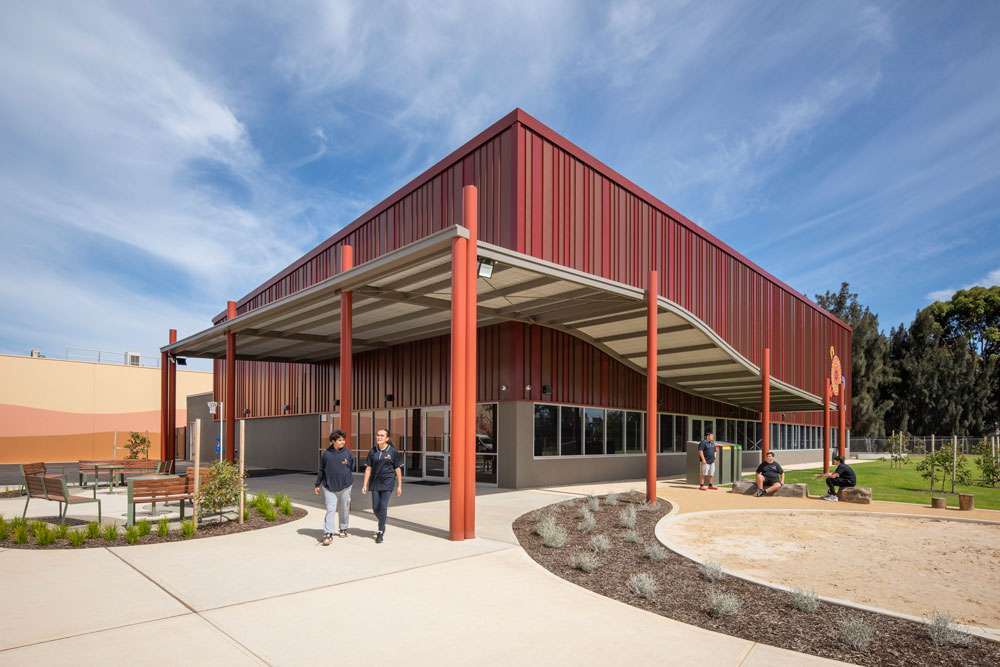
Warriappendi aims to re-engage students, who have faced challenges in mainstream education and who want to deeply connect with their culture. The design responds to this need by creating a contemporary learning environment with a diversity of spaces catering to the varied needs of the students.
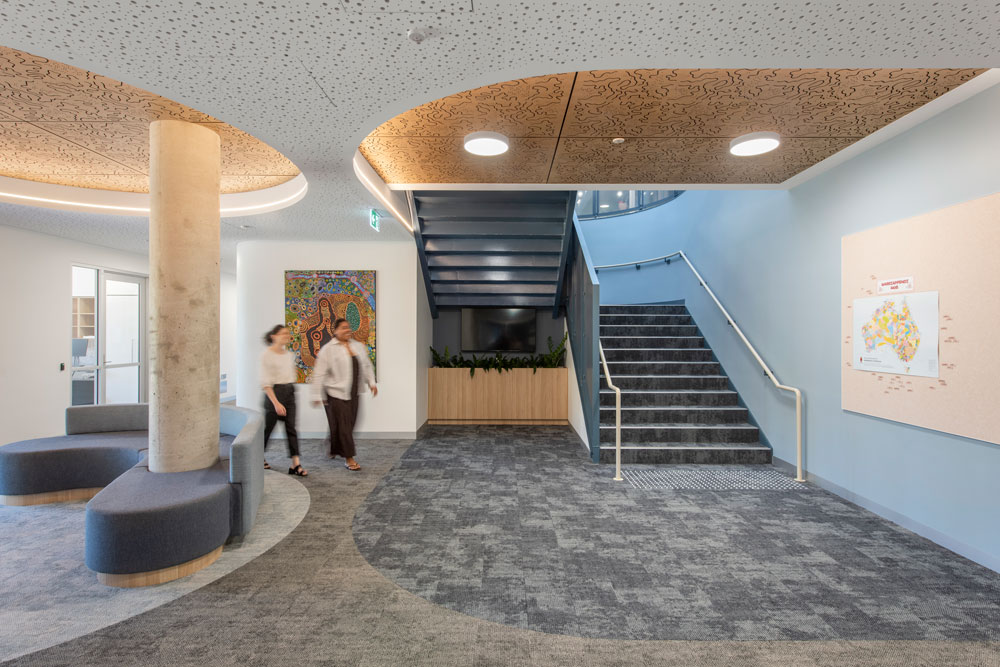
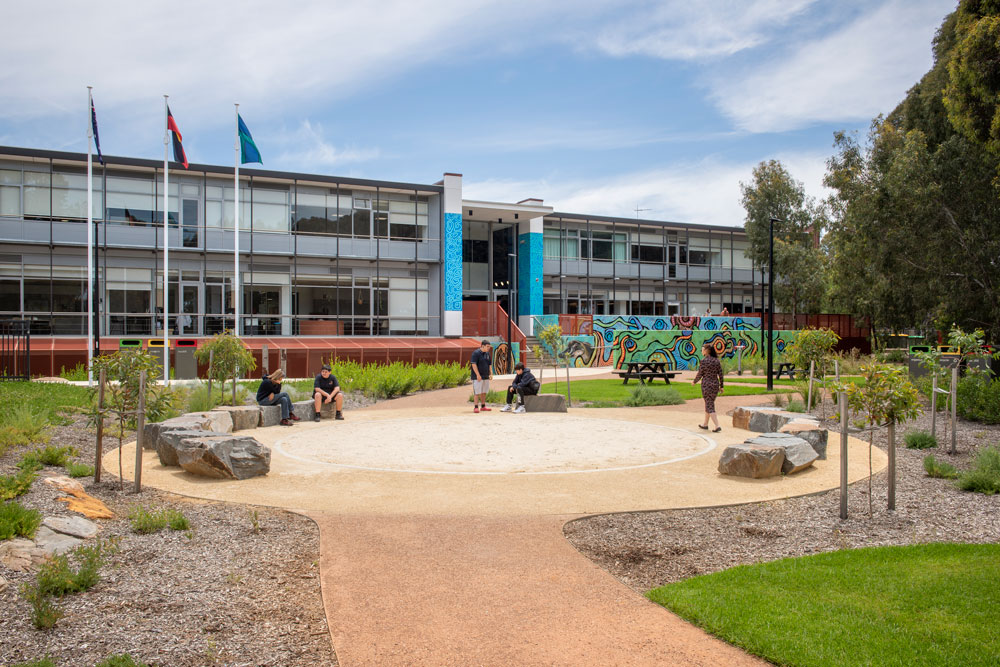
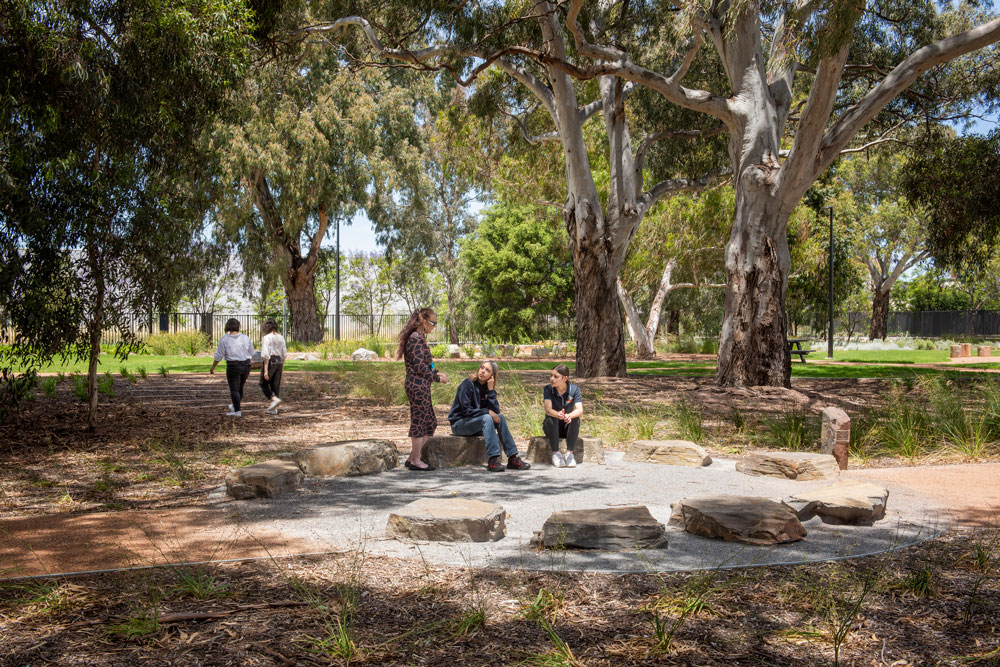
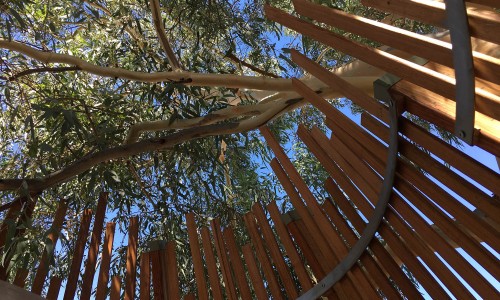
Quiet pods and a dedicated Wellbeing Space offer safe, re-calibration areas to support students and a calming materials palette reduces overstimulation in the school's interior. All spaces offer either a visual or physical connection to Country with dedicated outdoor learning areas; some located under the shade of the historic eucalyptus trees. Yarning circles for sharing stories, take pride of place in both the interior and exterior learning environments.
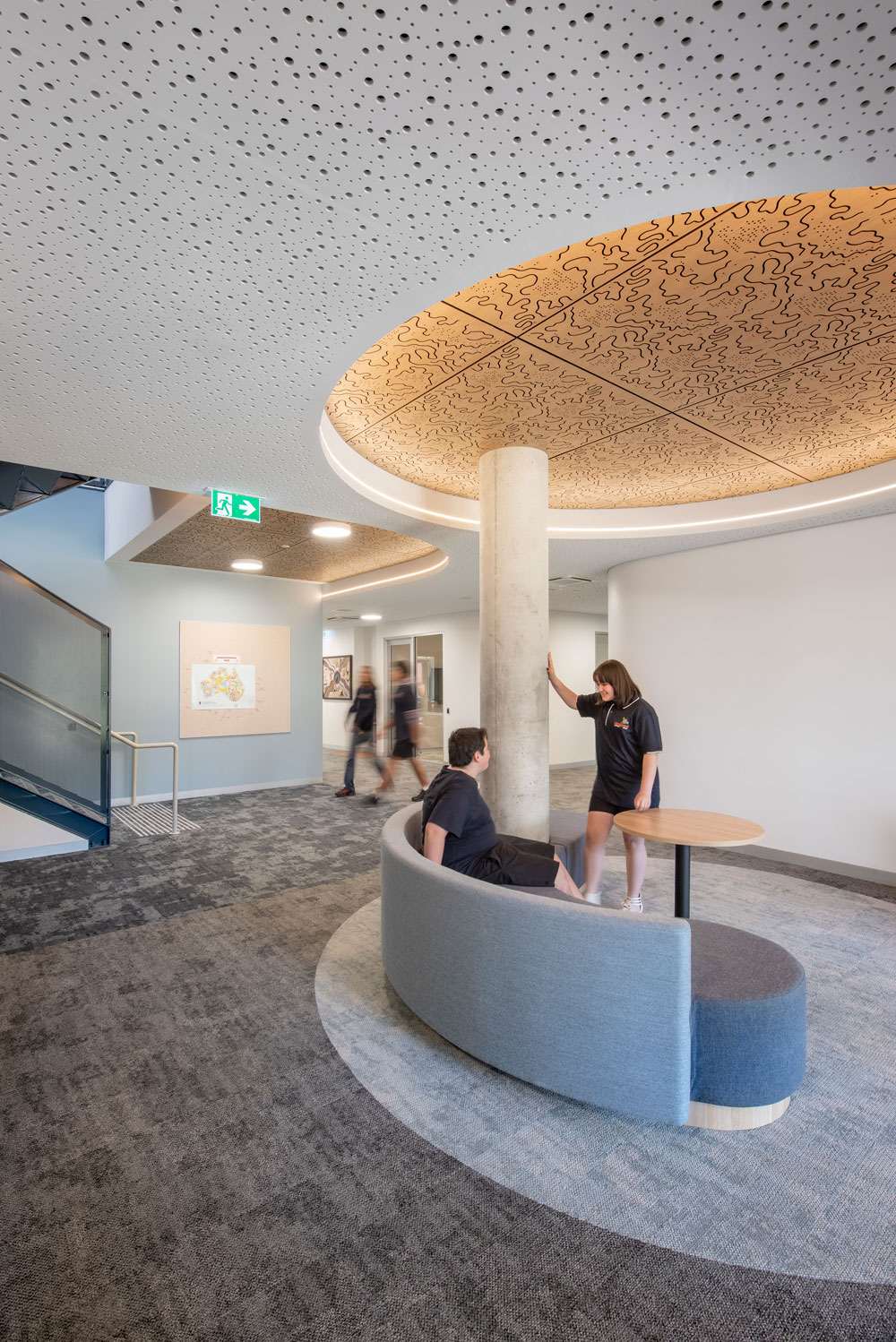
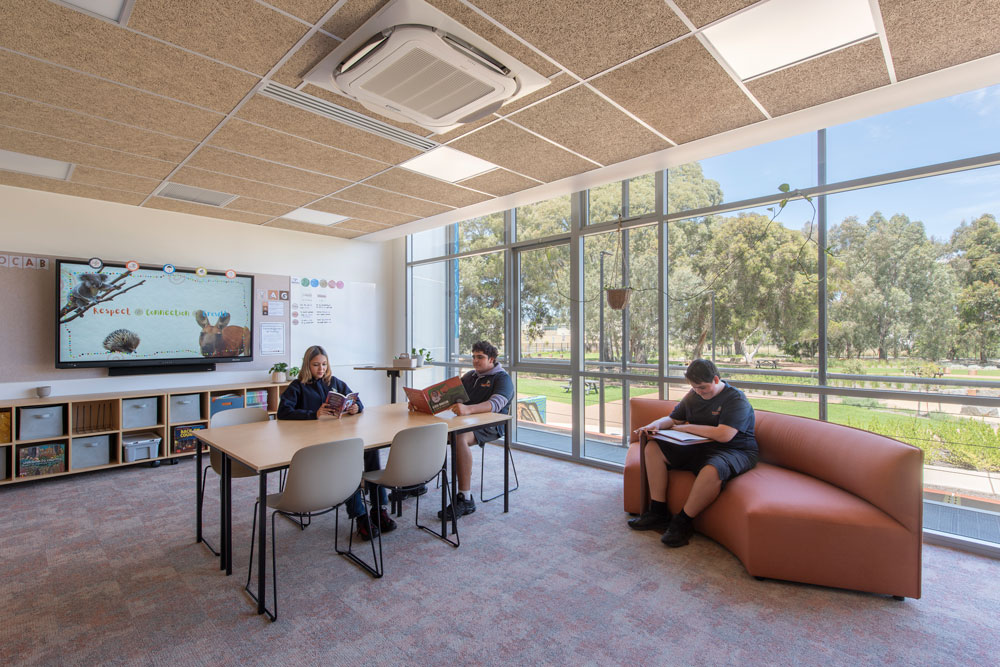
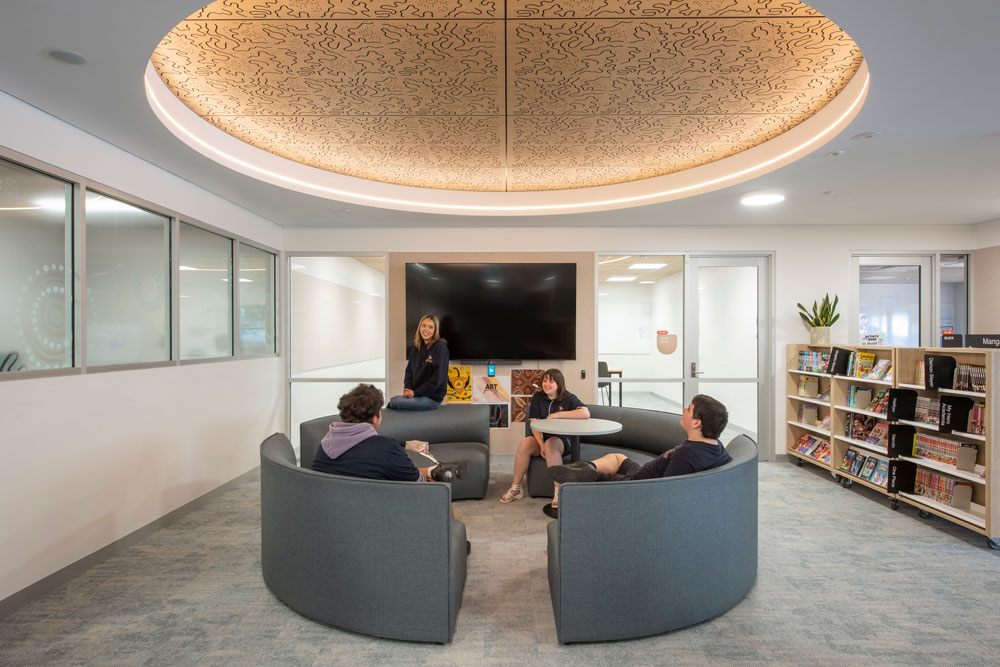
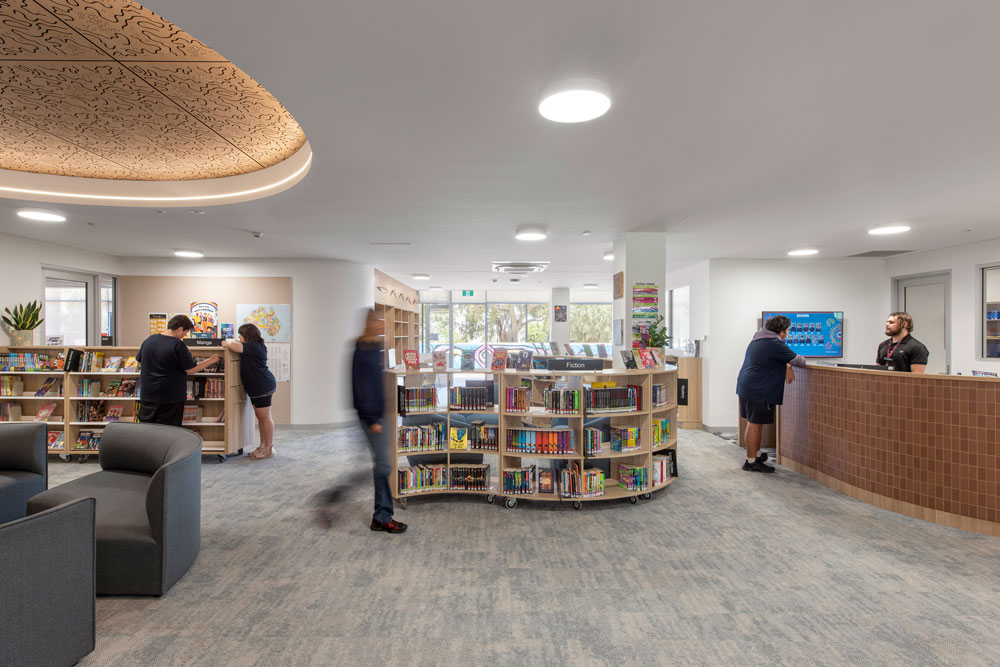
New opportunities have been afforded to students through specialist STEM spaces and workshops. A library with an immersive pod for podcasting and a music room, designed to meet the highest level of acoustic treatment, support creative learning.
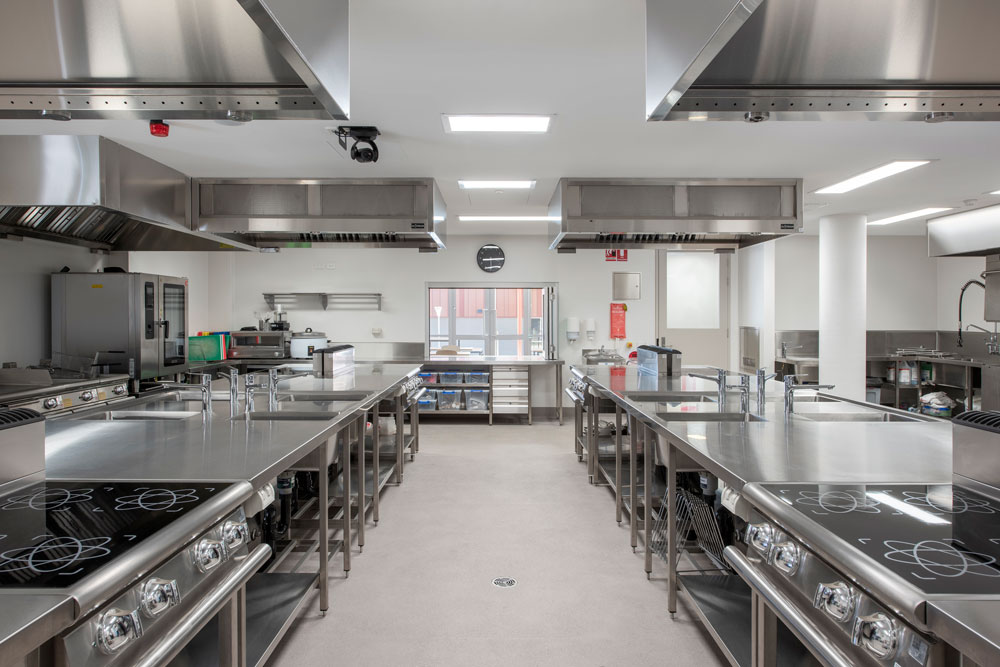
Food plays a significant role in the day-to-day life of the Warriappendi community, and a cooked lunch is provided to students each day, prepared by the students themselves. A commercial grade kitchen, connected to an indoor - outdoor dining area, facilitates this learning ritual and supports the existing VET offering.
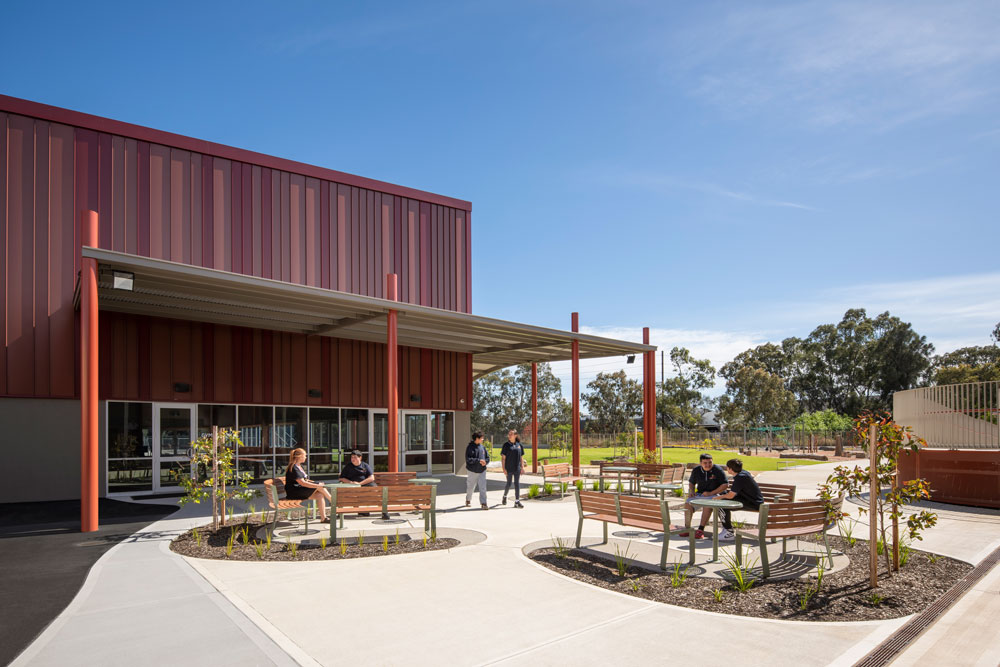
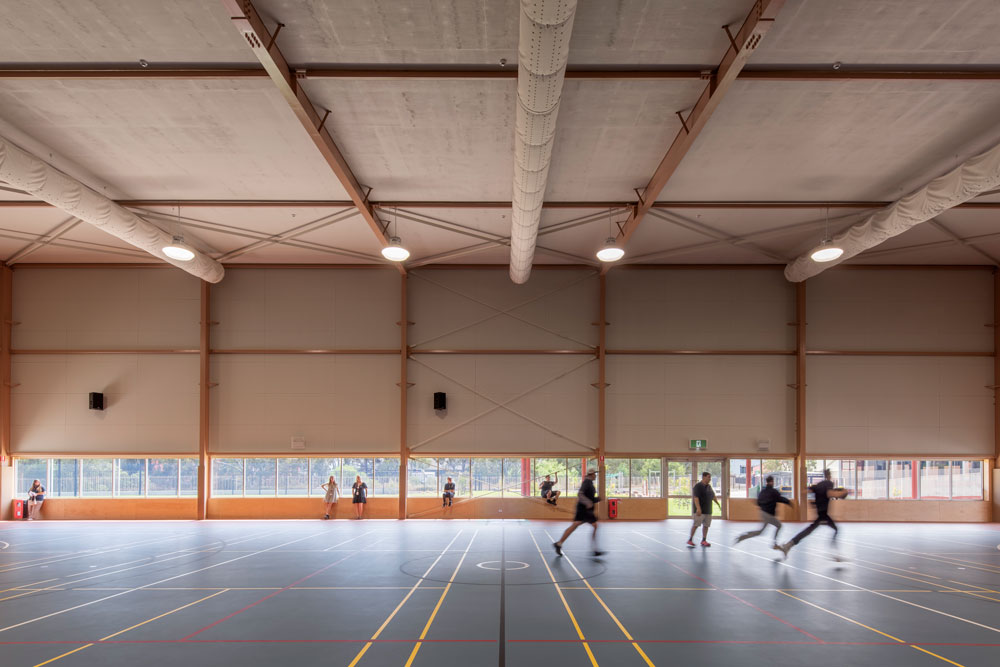
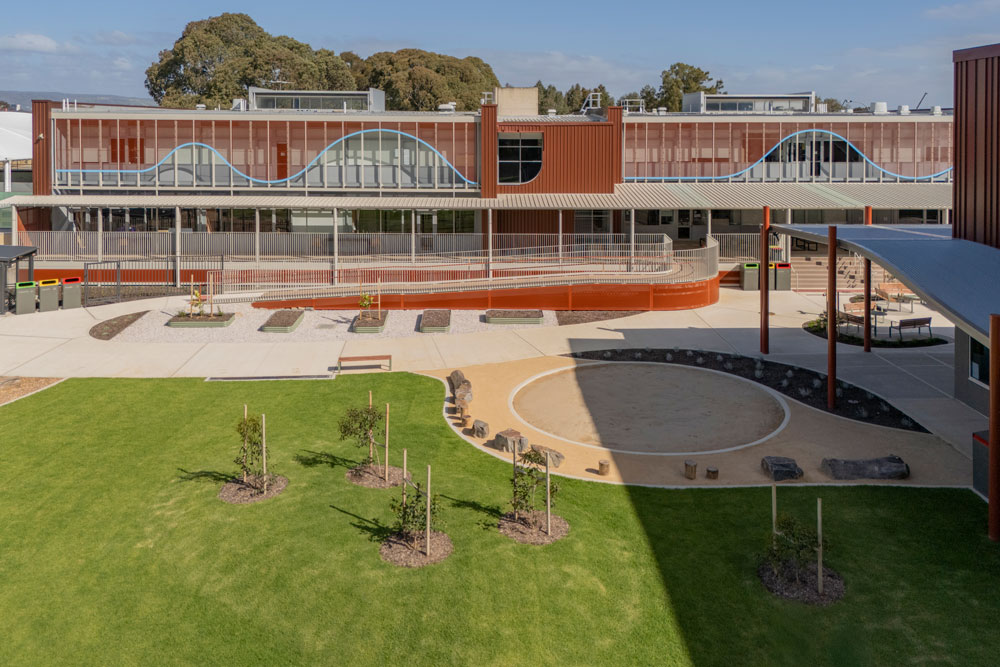
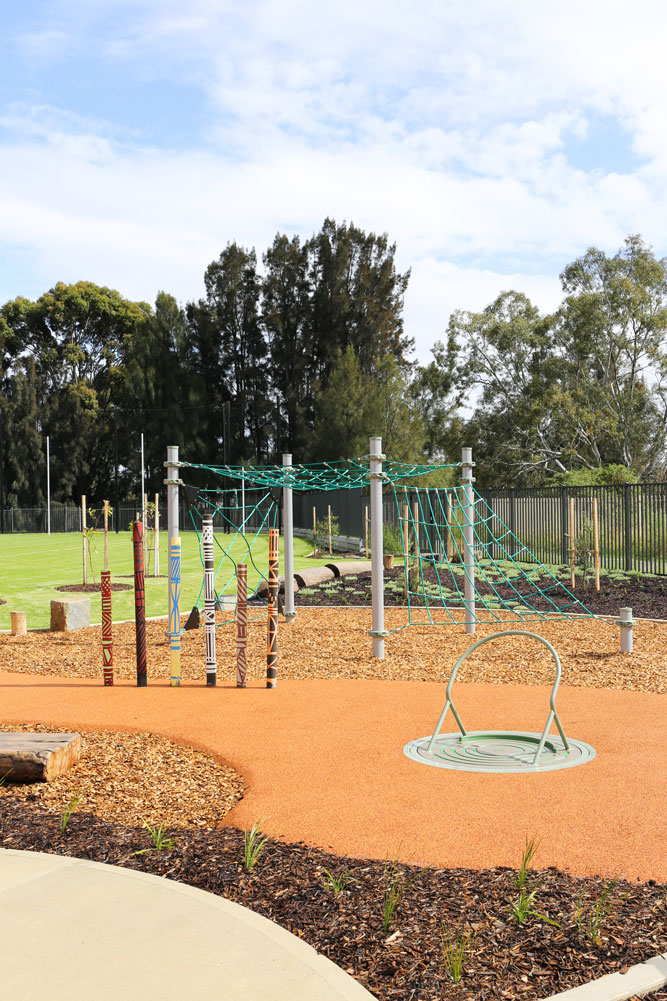
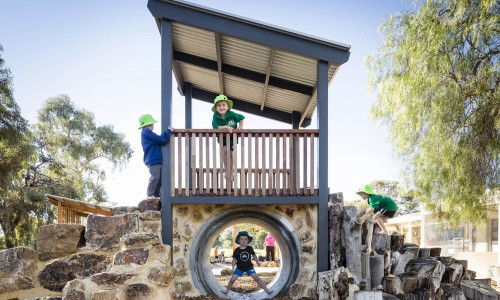
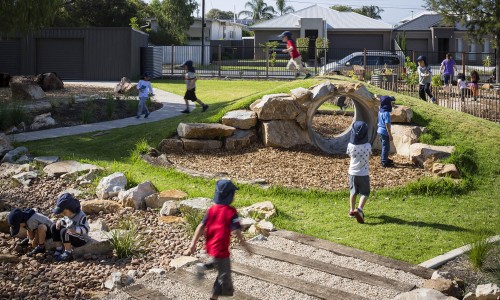
The landscape delivers meaningful outdoor learning areas directly linked to indoor spaces, including STEM and Food Technology zones, alongside inclusive play areas, retreat and social spaces for all abilities. Yarning circles of varying scales provide culturally significant gathering, reflection and performance spaces. A kitchen garden and indoor-outdoor dining area support daily shared meals and hands-on cultural learning through bush tucker cultivation. The gym and adjacent outdoor learning areas are designed to support after-hours and community use. The plaza can convert to ‘festival mode’, accommodating food trucks, temporary shade structures and seating to support larger community and whole school events and celebrations